
Mastering the Art of Dog Grooming Techniques
- Ailsa Bracken

- Mar 31
- 5 min read
If you’re anything like me, your furry friend is more than just a pet, they’re family!
Just like family, they deserve the best care possible. One of the most important aspects of keeping your dog happy and healthy is grooming.
But let’s be honest, dog grooming can sometimes feel like a daunting task, especially if your pup is a bit anxious or sensitive!
Over the years, I’ve learned some gentle, effective techniques that make the whole process smoother for both of us.
Today, I want to share those with you, so you can master the art of dog grooming techniques with confidence and kindness :-)
Understanding Your Dog’s Unique Needs
Every dog is different, and that’s the first thing I remind myself before picking up the brush or the clippers.
Some dogs have thick, curly coats that need regular trimming, while others have short fur that just needs a quick brush now and then.
Knowing your dog’s breed, coat type, and temperament is key to choosing the right grooming approach.

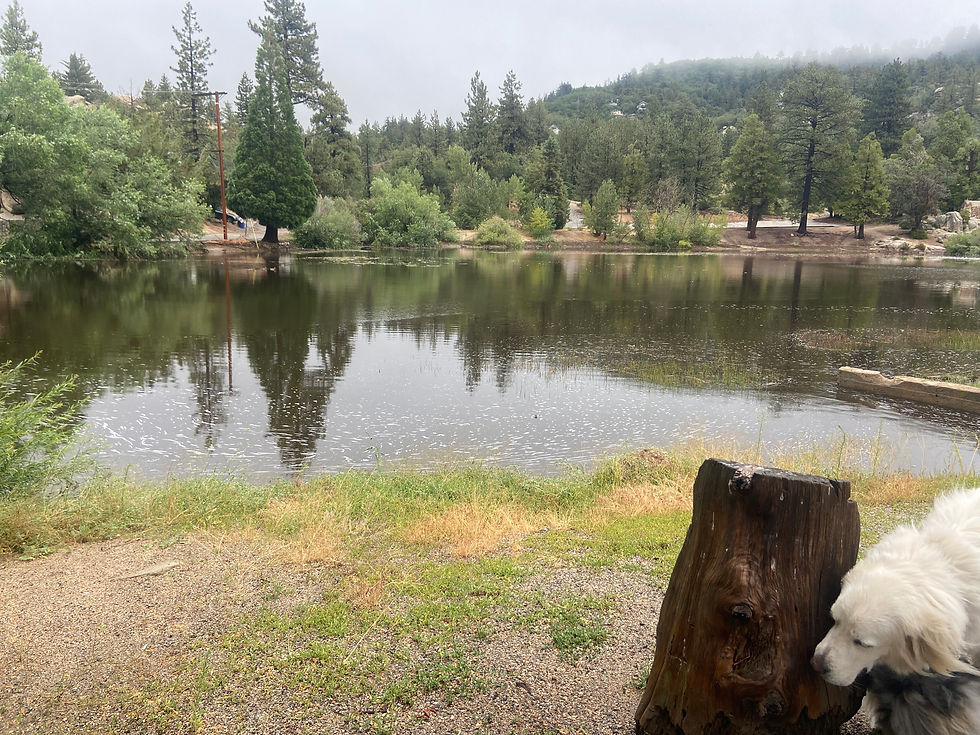
For example, if your dog has a double coat like a Siberian Husky or an Australian Shepherd (like our little Arya over there), you’ll want to invest in a good de-shedding tool.
These help remove loose undercoat hair without damaging the topcoat.
On the other hand, dogs with sensitive skin, like many small breeds, might benefit from hypoallergenic shampoos and gentle brushing to avoid irritation.
One thing I always keep in mind is to watch for signs of discomfort or stress.
If your dog starts to squirm or whine, it’s a good idea to pause and offer some reassurance.
Sometimes, breaking the grooming session into shorter, more frequent appointments works wonders.

Essential Dog Grooming Techniques for a Calm Experience
Now, let’s dive into some practical dog grooming techniques that have helped me create a calm and positive experience for my pup. These tips are especially useful if your dog tends to get anxious during grooming.
Start Slow and Build Trust
Begin by simply letting your dog sniff and explore the grooming tools. No pressure to start brushing or clipping right away. This helps build trust and reduces fear.
Use the Right Tools
Invest in quality brushes, combs, and clippers suited for your dog’s coat type. For example, slicker brushes work well for removing tangles in long-haired dogs, while bristle brushes are great for short-haired breeds.
Create a Comfortable Space
Groom your dog in a quiet, familiar area where they feel safe. Soft lighting and a non-slip surface can make a big difference.
Keep Sessions Short and Sweet
Especially for anxious dogs, shorter grooming sessions are less overwhelming. You can gradually increase the time as your dog becomes more comfortable.
Reward and Praise
Positive reinforcement is your best friend here. Treats, gentle petting, and soothing words go a long way in making grooming a positive experience.
Be Gentle but Firm
Handle your dog with care, but maintain a calm and confident demeanor. Dogs pick up on your energy, so staying relaxed helps them stay relaxed too.
Regular Maintenance
Regular brushing and occasional baths prevent mats and tangles, making grooming easier and less stressful over time.
If you want to learn more about dog grooming, I highly recommend checking out local experts who specialize in gentle, stress-free care, especially if your dog is sensitive or anxious.

How much do you tip a dog groomer?
Tipping your dog groomer is a thoughtful way to show appreciation for their hard work, especially when they’ve handled your anxious or sensitive pup with care. For a grooming session, the general guideline is to tip between 15% and 20%.
Here are a few things to consider when deciding on the tip amount:
Quality of Service: Did the groomer go above and beyond? Maybe they spent extra time calming your dog or handled a tricky grooming task with patience.
Frequency: If you’re a regular client, tipping consistently helps build a good relationship.
Special Requests: If you asked for additional services like nail trimming or teeth cleaning, a slightly higher tip might be in order.
Remember, tipping is always optional, but it’s a kind gesture that acknowledges the groomer’s skill and care.
Tips for Grooming Anxious or Sensitive Dogs
If your dog is anything like mine was when we first started grooming, anxiety can make the whole process challenging.
Here are some strategies that have helped me and might help you too:
Desensitization: Gradually introduce your dog to grooming tools and sounds. For example, turn on the clippers for a few seconds without using them on your dog, then reward calm behavior.
Use Calming Aids: Products like calming sprays, pheromone diffusers, or even a snug-fitting anxiety vest can help reduce stress.
Stay Calm Yourself: Dogs are incredibly intuitive. If you’re nervous or rushed, your dog will pick up on that. Take deep breaths and speak softly.
Break It Up: Don’t try to do everything in one go. Split grooming into manageable chunks over several days if needed.
Professional Help: Sometimes, the best option is to seek out groomers who specialize in handling anxious dogs. They have the experience and tools to make the process as gentle as possible.
By being patient and compassionate, you can turn grooming from a dreaded chore into a bonding experience.
Making Grooming a Positive Routine
Consistency is key when it comes to grooming. The more regularly you groom your dog, the more they’ll get used to it. Here are some ideas to make grooming a routine you both look forward to:
Set a Schedule: Whether it’s weekly brushing or monthly baths, having a set routine helps your dog know what to expect.
Mix Grooming with Play: After a grooming session, reward your dog with their favorite game or a walk. This creates a positive association.
Keep Supplies Handy: Having all your grooming tools in one place makes the process smoother and less stressful.
Celebrate Small Wins: Even if your dog only tolerates a few minutes of brushing, celebrate that progress. Every step counts.
Remember, grooming isn’t just about looks, it’s about health and happiness. Clean ears, trimmed nails, and a well-maintained coat all contribute to your dog’s well-being.
I hope these tips and techniques help you feel more confident and relaxed the next time you groom your dog.
With a little patience, the right tools, and a gentle approach, you can master the art of dog grooming techniques and make it a joyful part of your routine.
Your pup will thank you with wagging tails and happy snuggles!


Comments